Discover Hidden Energy Loss with Expert Thermal Scans
Updated: Dec 20, 2025
Energy efficiency is more than just a buzzword; it’s a necessity in today’s world. As energy costs continue to rise and environmental concerns grow, identifying hidden energy loss in our homes and businesses has never been more critical. One of the most effective ways to uncover these hidden losses is through expert thermal scans. This blog post will explore the importance of thermal imaging, how it works, and the benefits it offers for energy efficiency.

Understanding Thermal Imaging
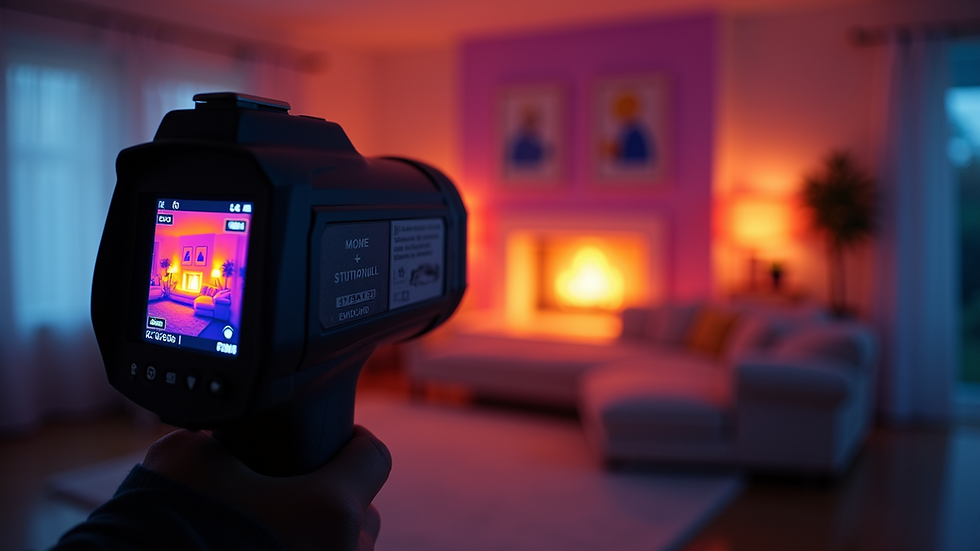
Thermal imaging is a technology that uses infrared cameras to detect heat patterns. Unlike traditional cameras that capture visible light, thermal cameras visualize heat emitted from objects. This capability allows us to see temperature differences that are invisible to the naked eye.
How Thermal Imaging Works
Thermal cameras detect infrared radiation, which is emitted by all objects based on their temperature. The camera translates this radiation into a visible image, where different colors represent different temperatures. For example:
Warm areas may appear red or yellow.
Cool areas may show up as blue or purple.
This color-coded representation helps identify areas where heat is escaping, indicating potential energy loss.
Applications of Thermal Imaging
Thermal imaging is widely used in various fields, including:
Building Inspections: Identifying insulation deficiencies, air leaks, and moisture problems.
Electrical Inspections: Detecting overheating components in electrical systems.
HVAC Inspections: Evaluating heating and cooling systems for efficiency.
The Importance of Identifying Energy Loss
Energy loss can occur in many forms, and identifying these losses is crucial for several reasons:
Cost Savings
By pinpointing areas of energy loss, homeowners and businesses can make targeted improvements. This can lead to significant savings on energy bills. For instance, sealing air leaks and improving insulation can reduce heating and cooling costs by up to 30%.
Environmental Impact
Reducing energy consumption not only saves money but also decreases carbon emissions. By improving energy efficiency, we contribute to a more sustainable future.
Comfort and Safety
Energy loss can lead to uncomfortable indoor temperatures and increased humidity levels. By addressing these issues, we create a more comfortable living and working environment. Additionally, thermal imaging can help identify potential fire hazards in electrical systems, enhancing safety.
The Process of Thermal Scanning
Initial Consultation
The first step in the thermal scanning process is a consultation. An expert will discuss your concerns and objectives, helping to tailor the inspection to your specific needs.
Conducting the Scan
During the thermal scan, the technician will use a thermal imaging camera to scan the building. This process typically takes a few hours, depending on the size of the property. The technician will focus on key areas, including:
Attics and Roofs: Checking for insulation gaps and heat loss.
Windows and Doors: Identifying air leaks.
Walls: Detecting thermal bridging and insulation issues.
Analyzing the Results
After the scan, the technician will analyze the thermal images. They will identify areas of concern and provide a detailed report outlining the findings. This report may include recommendations for improvements, such as:
Sealing air leaks
Adding insulation
Upgrading windows and doors
Benefits of Expert Thermal Scans
Accurate Detection
One of the primary advantages of using thermal imaging is its accuracy. Traditional methods of detecting energy loss, such as visual inspections, can miss critical issues. Thermal scans provide a comprehensive view of a building’s thermal performance.
Non-Invasive Method
Thermal imaging is a non-invasive technique, meaning it does not require any physical alterations to the property. This makes it an ideal choice for homeowners and businesses looking to assess energy efficiency without disruption.
Quick Results
Thermal scans can be completed relatively quickly, providing immediate insights into energy loss. This allows property owners to take action sooner rather than later.
Expert Analysis
When conducted by trained professionals, thermal scans come with the added benefit of expert analysis. Technicians can interpret the results accurately and provide actionable recommendations tailored to your specific situation.
Real-World Examples
Case Study 1: Residential Home
A family in a two-story home noticed their energy bills were unusually high. After a thermal scan, the technician discovered significant heat loss through poorly insulated walls and gaps around windows. By sealing these leaks and adding insulation, the family reduced their energy bills by 25% within the first year.
Case Study 2: Commercial Building
A local business was experiencing inconsistent temperatures throughout their office space. A thermal scan revealed several air leaks and inadequate insulation in the roof. After making the recommended improvements, the business not only saved on energy costs but also improved employee comfort and productivity.
Choosing the Right Thermal Imaging Expert
When selecting a thermal imaging expert, consider the following factors:
Qualifications and Experience
Look for technicians with relevant certifications and experience in thermal imaging. They should be knowledgeable about building science and energy efficiency.
Equipment Quality
Ensure the technician uses high-quality thermal imaging cameras. The resolution and sensitivity of the camera can significantly impact the accuracy of the results.
Customer Reviews
Check reviews and testimonials from previous clients. A reputable expert should have a track record of successful thermal scans and satisfied customers.
Conclusion
Identifying hidden energy loss is essential for improving energy efficiency, reducing costs, and enhancing comfort. Expert thermal scans provide a powerful tool for uncovering these losses, allowing property owners to make informed decisions about necessary improvements. By investing in thermal imaging, you can take a significant step toward a more energy-efficient and sustainable future.
Take action today by scheduling a thermal scan for your home or business. Discover how you can save money, improve comfort, and contribute to a healthier planet.
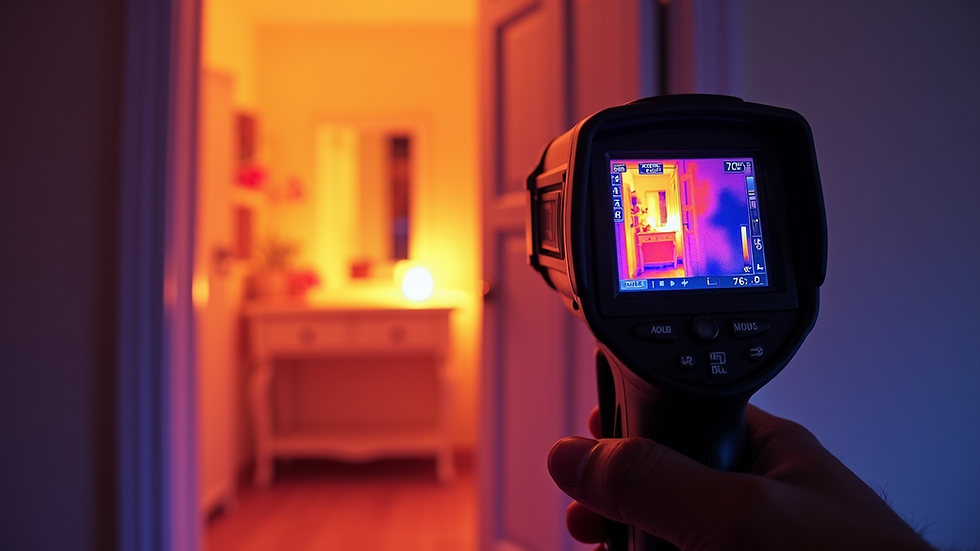
Detecting hidden energy loss can save both money and resources, making thermal scans an invaluable tool for homeowners and businesses. Experts can pinpoint inefficiencies that aren’t visible to the naked eye. For those seeking reliable services, https://www.lakewoodinsulationcontractors.com/ offers professional solutions to improve energy efficiency and reduce utility costs.