Essential Benefits of Thermal Imaging for Homeowners
Thermal imaging technology has revolutionized the way homeowners approach maintenance, safety, and energy efficiency in their homes. This innovative tool allows for the detection of heat patterns, making it possible to identify issues that are not visible to the naked eye. From spotting insulation gaps to detecting electrical problems, thermal imaging offers a range of benefits that can save homeowners time, money, and stress.
Understanding Thermal Imaging
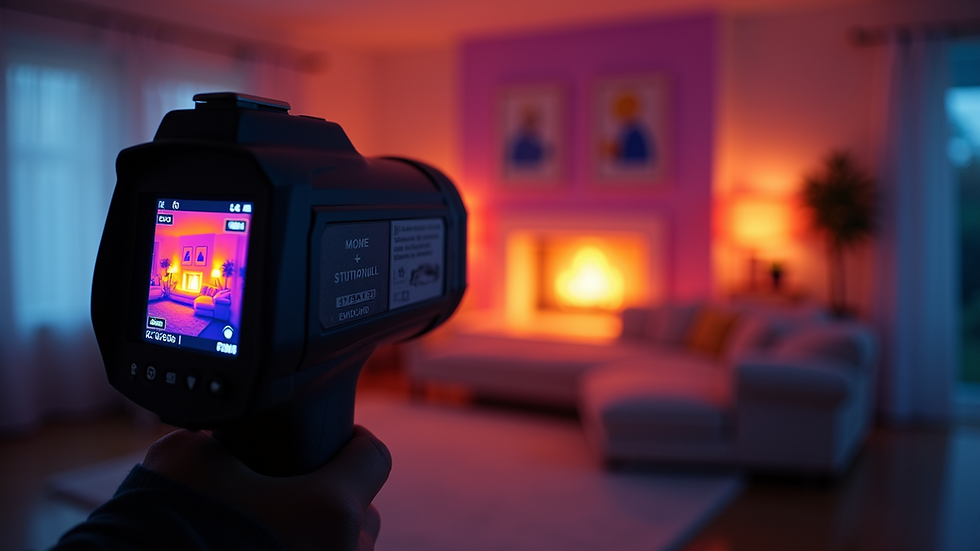
Thermal imaging uses infrared cameras to capture images based on heat emitted from objects. Unlike traditional photography, which captures visible light, thermal imaging reveals temperature differences, allowing users to see heat signatures. This technology is widely used in various fields, including construction, electrical inspections, and even medical diagnostics.
How Thermal Imaging Works
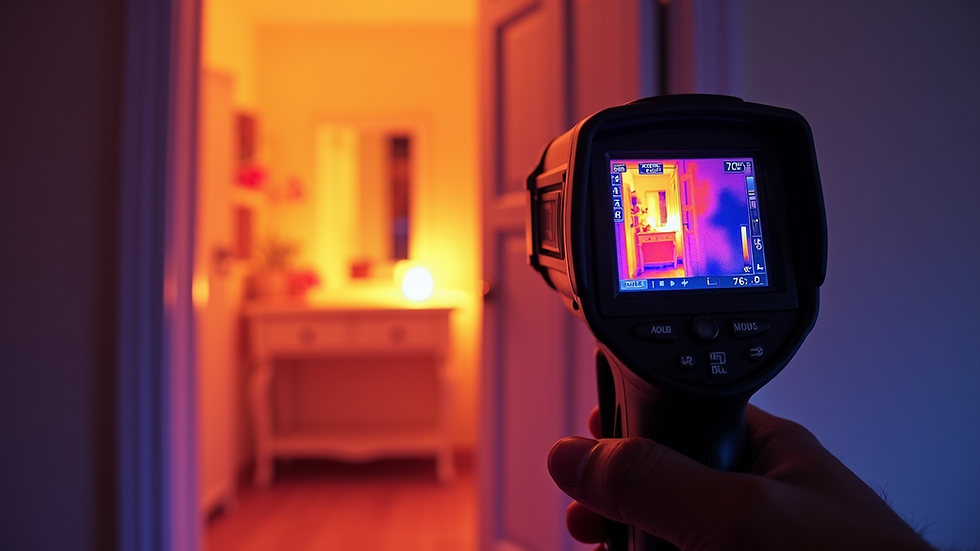
Thermal cameras detect infrared radiation and convert it into a visual image. The resulting thermal image displays different colors representing varying temperatures. For instance, warmer areas may appear red or yellow, while cooler areas may show blue or green. This color-coded representation helps homeowners quickly identify problem areas.
Key Benefits of Thermal Imaging for Homeowners
1. Energy Efficiency
One of the most significant advantages of thermal imaging is its ability to enhance energy efficiency in homes. By identifying areas where heat is escaping, homeowners can make informed decisions about insulation and sealing.
Insulation Gaps: Thermal imaging can reveal poorly insulated areas in walls, attics, and basements. By addressing these gaps, homeowners can reduce heating and cooling costs significantly.
Air Leaks: Detecting air leaks around windows, doors, and ducts can lead to improved energy efficiency. Sealing these leaks can result in a more comfortable living environment and lower energy bills.
2. Preventative Maintenance
Thermal imaging is an invaluable tool for preventative maintenance. By regularly inspecting your home with thermal cameras, you can identify potential issues before they escalate into costly repairs.
Electrical Inspections: Overheating electrical components can lead to fires. Thermal imaging can help detect hot spots in electrical panels, outlets, and wiring, allowing homeowners to address issues before they become dangerous.
Roof Inspections: Leaks in roofs can be challenging to spot until significant damage occurs. Thermal imaging can identify moisture intrusion and insulation problems, enabling timely repairs.
3. Pest Detection
Thermal imaging can also assist in identifying pest infestations. Many pests, such as rodents and termites, generate heat, making them detectable through thermal imaging.
Rodent Infestations: Thermal cameras can help locate nests and pathways used by rodents, allowing homeowners to take action before the problem worsens.
Termite Damage: Detecting termite activity early can save homeowners from extensive structural damage. Thermal imaging can reveal areas of heat generated by active infestations.
4. Home Safety
Safety is a top priority for homeowners, and thermal imaging can enhance safety in several ways.
Fire Hazards: Identifying overheating electrical components can prevent potential fire hazards. Regular thermal inspections can help ensure that your home remains safe.
Carbon Monoxide Detection: While thermal imaging cannot directly detect carbon monoxide, it can help identify areas where ventilation issues may lead to dangerous gas buildup.
5. Cost Savings
Investing in thermal imaging can lead to significant cost savings in the long run. By identifying issues early, homeowners can avoid expensive repairs and reduce energy bills.
Lower Utility Bills: Addressing insulation gaps and air leaks can lead to lower heating and cooling costs, resulting in substantial savings over time.
Reduced Repair Costs: Preventative maintenance through thermal imaging can help homeowners avoid costly repairs associated with water damage, electrical failures, and pest infestations.
Practical Applications of Thermal Imaging
Home Inspections
Home inspectors increasingly use thermal imaging as part of their assessment process. This technology allows them to provide a more comprehensive evaluation of a property's condition.
Identifying Hidden Issues: Thermal imaging can reveal problems that may not be visible during a standard inspection, such as hidden leaks or insulation deficiencies.
Documentation: Inspectors can provide thermal images as part of their reports, giving homeowners a clear visual representation of any issues found.
DIY Home Maintenance
Homeowners can also use thermal imaging for DIY maintenance projects. With the availability of affordable thermal cameras, many individuals can take advantage of this technology.
Regular Checks: Homeowners can conduct regular thermal inspections to monitor their home's condition and address issues proactively.
Energy Audits: Performing a thermal audit can help homeowners identify areas for improvement, leading to a more energy-efficient home.
Professional Services
For those who prefer to leave it to the experts, many companies offer thermal imaging services. These professionals can provide detailed assessments and recommendations based on their findings.
Thermal Imaging Companies: Hiring a professional can ensure a thorough inspection and accurate interpretation of thermal images.
Specialized Services: Some companies specialize in specific applications, such as energy audits or pest detection, providing tailored solutions for homeowners.
Limitations of Thermal Imaging
While thermal imaging offers numerous benefits, it is essential to understand its limitations.
Surface Temperature Only: Thermal imaging detects surface temperatures and may not provide a complete picture of underlying issues. For example, it cannot determine the extent of water damage behind walls.
Environmental Factors: Weather conditions, such as rain or high humidity, can affect the accuracy of thermal imaging. It is best to conduct inspections under optimal conditions for the most reliable results.
Conclusion
Thermal imaging is a powerful tool that can provide homeowners with valuable insights into their properties. From enhancing energy efficiency to identifying safety hazards, the benefits of thermal imaging are clear. By investing in this technology, homeowners can save money, improve comfort, and protect their homes from potential issues. Whether through professional services or DIY inspections, embracing thermal imaging can lead to a more efficient and safer living environment.
As you consider the advantages of thermal imaging, think about how it can fit into your home maintenance routine. Regular inspections can help you stay ahead of potential problems, ensuring your home remains a safe and comfortable place for you and your family.

Comments